
This is an automatic English translation of the Dutch original.
Is digitalisation leading us towards an authoritarian world? Pieter put the question to the RSD12 conference in Amsterdam.
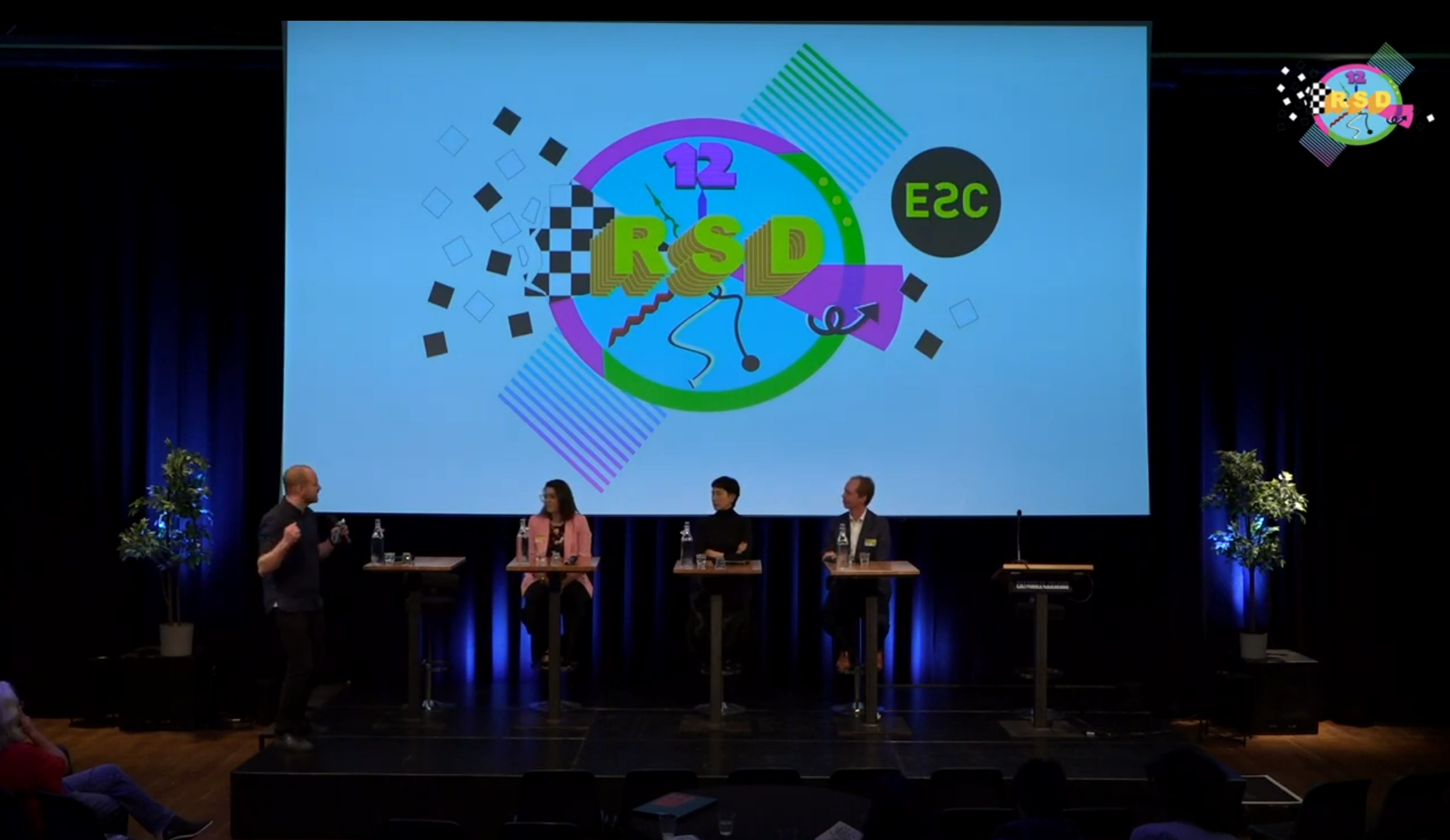
“Is digitalisation leading us towards an authoritarian world?” The Relating Systems Thinking and Design (RSD) conference was organised for the twelfth time. The Expertise Network Systemic Co-Design (ESC) organised a hub with Pakhuis de Zwijger in Amsterdam and invited Pieter van Boheemen for a panel on “Just Digital Life”. Here he put forward this provocative thought.
Watch the panel discussion here, or read below the notes he made beforehand.
As we are witnessing the simultaneous transformation of technological and societal systems, it is important to uphold the cornerstones of democratic societies: freedom, equality, and justice. Currently we are moving in the opposite direction. A key aspect of improving this is, is enabling meaningful participation at the core of digital ecosystems, which necessitates an enhancement of citizenship towards “technological citizenship”.
Let me explain. Being a citizen of a democratic community should be defined beyond legal status. Citizenship requires empowerment and protection by institutions. In the realm of digital ecosystems, this kind of citizenship can be viewed from three angles: technological, protectionist, and democratic. The technological angle involves understanding the technology itself, while the protectionist approach focuses on dealing with the associated risks. The democratic dimension is centered around understanding the political implications of our digital lives, including who benefits, who does not, and how to assert and claim new rights.
The main focus of technological citizenship should be on asserting rights, transforming these rights into laws, and their implementation through policy into institutions. However, I am concerned. Firstly, the alarming state of the world, including challenges such as climate change and war. These imminent and important threats shouldn’t distract us from the digital transformations. Policies aimed at addressing these crises could actually lead to further power accumulation. Secondly, the potent role of digital technology in undermining citizenship, with social media and AI serving as powerful tools for repression.
As an effect democracy has been in decline globally. The latest “Freedom on the Web” report highlighted that nearly 80% of the world’s population lives in countries where individuals are arrested for expressing political views on social media. Moreover, societal perspectives are underrepresented in technological development, as seen in the limited public engagement with initiatives like the European Data Spaces. The societal discourse tends to focus more on new possibilities rather than addressing potential risks.
Although academia and knowledge institutes are bringing technology issues to the forefront, the voice of citizens remains largely unheard. This is also because the digital world is often a hostile environment. Due to a lack of awareness of rights, inadequate enforcement and oversight of these rights, and the economic motivations driving online hate and engagement, public debate is frustrated.
To address these challenges, it is essential to establish institutions dedicated to technological citizenship, incorporating technological, protectionist, and democratic dimensions. There is a need to assert rights and demand empowerment and protection, a focus of my work with my foundation.
In conclusion, I offer a provocative statement: the digital world is increasingly favoring authoritarianism over democracy. I look forward to hearing your thoughts.
What do you think? Let us know!